

Coopersville Historical Museum
363 Main Street, Coopersville MI 49404
616-997-7240 Visit us on Facebook: CoopersvilleHistoricalMuseum
Hours:
Tuesday – 2PM – 5:30PM
Wednesday – 10AM – 2PM
Friday – 1PM – 4PM
Saturday – 10AM – 4PM
There is no admission during regular business hours, but donations are welcome. Explore Coopersville’s history in person at the museum or on the Coopersville Area Historical Society’s website: CoopersvilleHistory.org


About the Coopersville Historical Museum
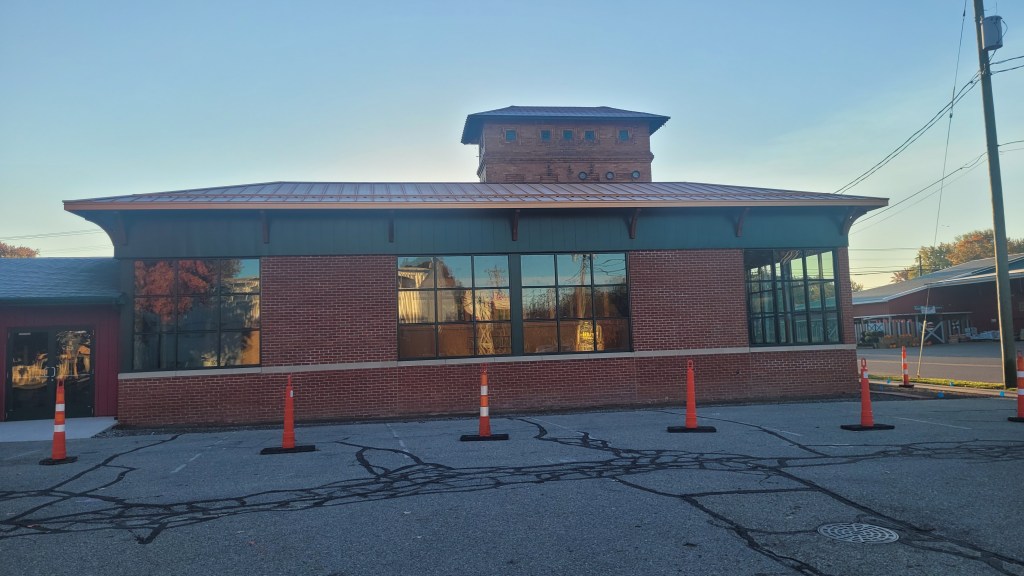
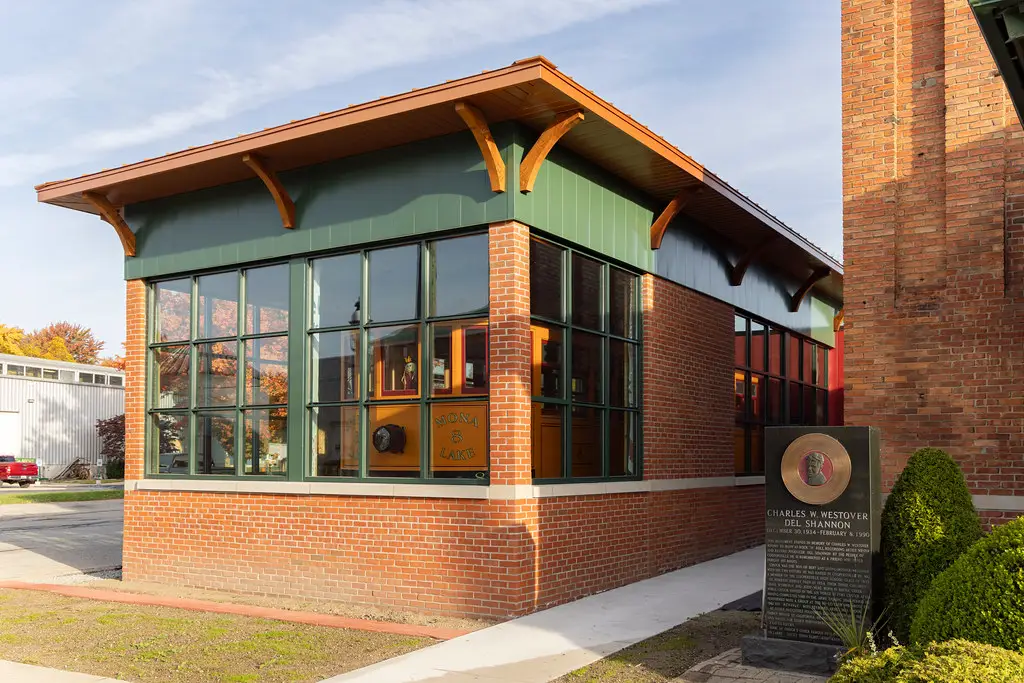
The Museum’s main building, a charming brick structure, was once a depot and substation for the Grand Rapids, Grand Haven & Muskegon Railway, an electric rail line that served the area from 1902 – 1928. Adjoining the historic structure is the rustically designed Sawmill and Early Settlers Building, which was completed in the early 2000’s.
The Museum became a department of the City of Coopersville in July, 2018. The Museum was originally established by the Coopersville Area Historical Society in 1987 and was formally known as the Coopersville Area Historical Society Museum. The Historical Society itself was founded in 1980.
In 1987, the Museum began in the town’s former interurban railway depot and substation. The building is said to be among the best preserved of its kind in Michigan. It is a Michigan Historic Site and on the National Register of Historic Places. This part of the Museum contains railroad, interurban train, household, military, business and clothing exhibits. Also included is a display on rock and roll star Del Shannon, was was raised in Coopersville as Charles Westover.
In the 1990s, fundraising took place for much needed additional space. The addition, the Sawmill & Early Settlers Building was completed in early 2000’s. This comfortable rustically designed building house a sawmill exhibit, tools and logging artifacts, 1800s spinning wheel and loom, plus other items that reflect the early settlement era. Children especially enjoy the building’s early school room, the Lincoln Log table and model logging railroad which circles the sawmill exhibit.
The Tasker Drug Store area is among the Museum’s major exhibits. The recreation of an early local store includes nine foot high exterior doors, an original counter, apothecary jars, shelves, medicine packages and scores of other pharmaceutical item. Some artifacts date back to when the store opened as Watson’s Drugs in 1880.
The Museum’s steam railroad and interurban train exhibit commemorate the impact these forms of transportation had on the regions development.
A major portion of the Museum once served from 1902 – 1928 as a depot substation for the Grand Rapids, Grand Haven & Muskegon Railway. This line was among the networks of small independently owned electric railroads that sprang up in the United States in the late 1800s and early 1900s. With the many daily runs on the routes just between two or more cities, these unique electric powered interurban rail lines made commuting possible before the widespread use of automobiles. Light freight was also moved quickly on this system. As cars became more popular and roads improved, most interurban companies went out of business.
In 1990, the Museum acquire a rare wooden bodied interurban passenger car, originally designed as Car #8, “Merlin”. The car was part of the local line’s operation. This survivor of the interurban era continues to go through phases of restoration.
The steam railroad played a significant role in Coopersville’s history. The town emerged after a contract with its founder Benjamin Cooper brought the railroad through the area in 1858. The museum has many railroad item. It’s extensive Larry Cook and Bruce Quinn collection are representative of the country’s great railroad era.
To find out more, including how to control cookies, see here: Cookie Policy